
2025 - 2026
(1).png)
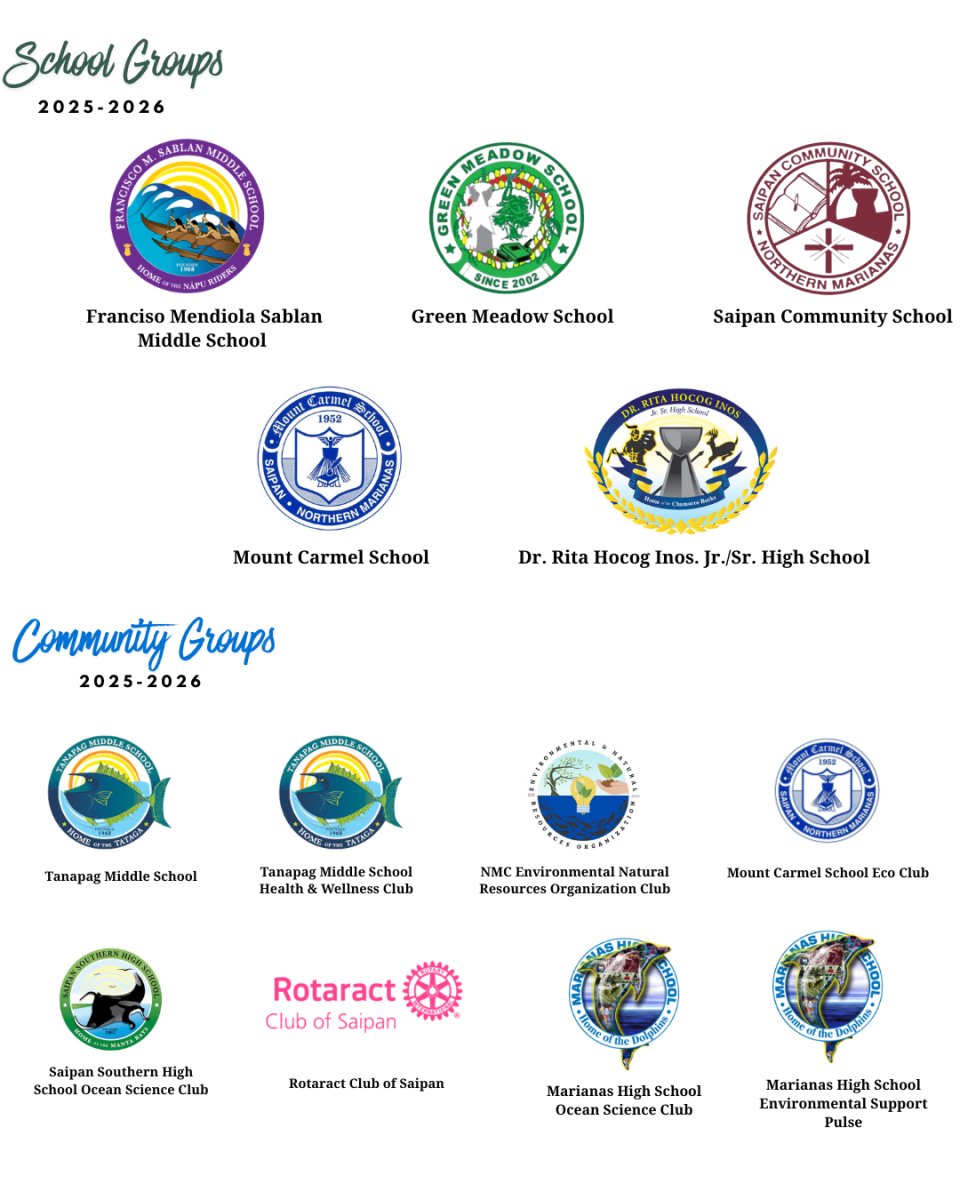
The SFEE program is an environmental initiative that aims to educate and empower communities in the CNMI to revitalize land and prevent contamination. Through hands-on training and educational activities, students will work with local natural resource managers and experts to better understand local issues such as pollution prevention, flooding, and plastic pollution. Participants will learn to identify environmental threats in their communities, explore behaviors that contribute to these challenges, and develop practical solutions through projects they will implement in their schools and villages.
Previous themes:
2014 - Climate Change
2015 - Marine Protected Areas (MPA)
2016 - Watersheds
2017 - Coral Reefs
2018 - Marine Debris
2019 - Our Natural Resources
2021 - Climate Change
2022 - Plastic Pollution
2026 - (Schools for Environmental Education) – Changing Environmental Conditions & Extreme Weather Events
.png)
SFEE Orientation Workshop
On Saturday, March 7, 2026, MINA hosted the SFEE Saipan Orientation Workshop where community and school groups participating in this year’s program gathered to learn more about the program, engaged in presentations that educated them more about the CNMI’s natural resources management, and brainstormed their first steps in developing their Environmental Action Plans (EAP). Students learned about the environmental impacts of plastic pollution and marine debris, explored how recycling and the circular economy help reduce waste, discovered how data informs the green and red flags posted at our beaches for the community, and gained insights into flooding and changing environmental conditions. They also explored how changing environmental conditions and extreme weather events impacts the CNMI. The workshop created a space for participants to connect with local environmental managers and leaders, ask questions, and learn from their work.
%20(14_062%20x%208%20in)(1).png)
Daniel Ogumoro, a long-time MINA staff member who began his career as a Tasi Watch Ranger and is now the program’s lead, opened the orientation workshop by highlighting the importance of environmental stewardship in the CNMI. He introduced participants to several projects that have been implemented in the past to conserve our marine and terrestrial ecosystems, which includes marine debris beach clean-ups, tree plantings, and community outreaches.
%20(14_062%20x%208%20in)%20(1)(1).png)
Groups took part in interactive activities, including a “Breaking News” icebreaker where they researched current environmental issues, created news-style articles, and presented their findings. During the workshop, groups also selected their three required field experiences, which include a Community Recycles Plastics Beach Clean-up, a marine field experience, and a terrestrial field experience.
Students interacted and connected with MINA Tasi Watch Rangers, asking questions and receiving guidance to shape and strengthen their EAP’s, turning what they learned into actionable steps for their schools and community.
%20(14_062%20x%208%20in)%20(2).png)
As shown in the photo above, Jovahna Flores and Michael Villagomez from the Bureau of Environmental Coastal Quality presented to student groups about flooding and changing environmental conditions and water quality. Students actively engaged in these presentations by taking notes, asking questions, and diving deeper into our island’s ecosystems.
%20(14_062%20x%208%20in)%20(3).png)
Groups were guided on how to begin and develop their EAP’s, with time to discuss ideas with one another, share strategies, and plan how to put their projects into action. Mary Fem Urena and Andrea Roberto supported the groups by explaining the EAP process, including its steps, budget, and timeline, while also guiding students on how to address their targeted environmental issues. This marked the first step in bringing their projects to life!
From March 8–9, Mary Fem Urena and Andrea Roberto traveled to our neighboring island, Rota, to host a more intimate workshop with the Dr. Rita Hocog Inos Jr./Sr. High School group. An overview of the program and its logistics were presented to the students. Local government partners joined the Rota SFEE workshop to support environmental efforts on the island. Mr. Toves, Solid Waste Manager from the Department of Public Works Rota, presented on solid waste management systems and planned improvements underway to manage and reduce waste pollution on the island.
%20(14_062%20x%208%20in).png)
Press Releases
The Schools for Environmental Education (SFEE) Program is financially supported by the Environmental Protection Agency (EPA) under an Assistance Agreement. This program is the iteration of the Schools for Environmental Conservation program, funded by the Department of Interior Coral Reef Program.